
SDV
Autonomous Driving
Robotics
AAM
PBV

SDV

Hyundai is fast-tracking its transition to a "Software-Defined Vehicle" (SDV) development approach.

image
SDV (Software Defined Vehicle)
overviews

SDV (Software Defined Vehicle)

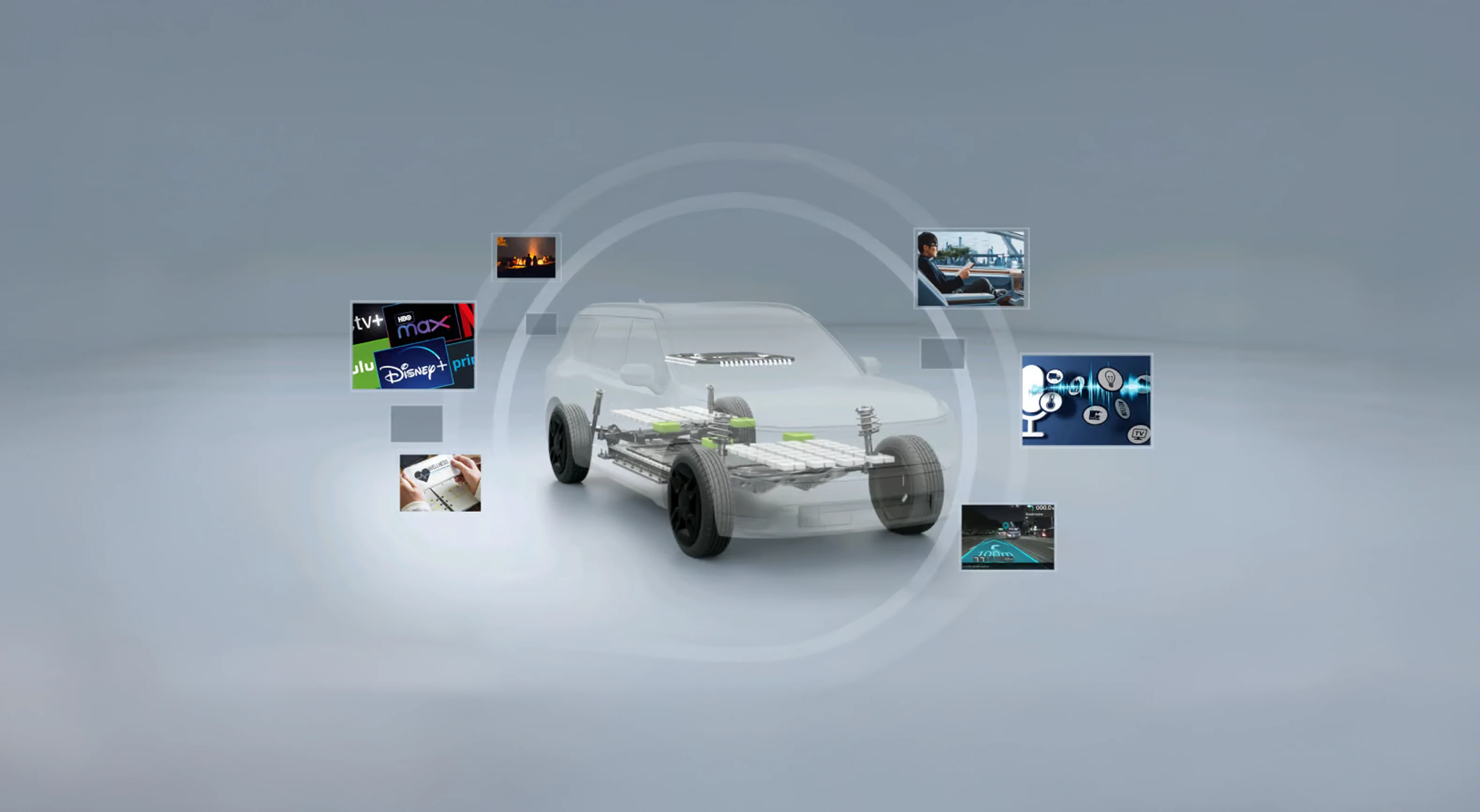
Hyundai plans to introduce wireless software updates (OTA, Over-the-Air) for all its vehicle models globally by 2025. This means customers can enhance their vehicle's performance and add personalized features without visiting a service center. Additionally, Hyundai's global software center, 42dot, will focus on software-oriented solutions, including PBV(Purpose Built Vehicle) devices. This strategy ensures ongoing growth by creating user-friendly, technology-driven solutions that cater to individual needs.

hyundai image

Electrical and Electronic systems

To bring SDV to life, it's crucial to simplify the complexity of a vehicle's electrical and electronic systems. Nowadays, vehicles use a vast number of electrical components, which only further complicates the development process. Hyundai is addressing this challenge by integrating control units step by step, aligning with its long-term strategy. This integration not only streamlines the development process but also establishes a systematic approach, ensuring efficiency and ease in the overall process.

Vehicle Software Platform

Vehicle Software Platform

In the shift towards SDVs, having a flexible and standardized software platform for vehicles is crucial. This platform simultaneously integrates numerous controllers, sensors within the vehicle, and external cloud resources. Hyundai has developed a software platform that not only connects drivers and vehicles but also maximizes the vehicle's hardware performance. It allows for the seamless addition of new functions while maintaining a standardized structure. This setup enables the enhancement of various services, including integrating smartphones and smart homes, providing intelligent remote assistance, and advancing Smart Traffic features.

Cloud Technology

Cloud Technology

Cloud technology plays a vital role in handling the massive real-time data generated by vehicles. It allows this data to be collected, analyzed, and shared between vehicles and cloud servers. This communication, known as Car-to-Cloud, is crucial for advancing autonomous driving technology. Hyundai has established data centers in key global locations, including South Korea, the United States, and Europe, using its in-house developed cloud platform. These centers are set to expand further. Through this infrastructure, Hyundai aims to process vast amounts of data from tens of millions of SDVs around the world. This data includes traffic signals, vehicle sensor information, and operational data. By analyzing this data, Hyundai can enhance autonomous driving safety and offer a more convenient mobility experience for customers.

Connected Services

Connected Services

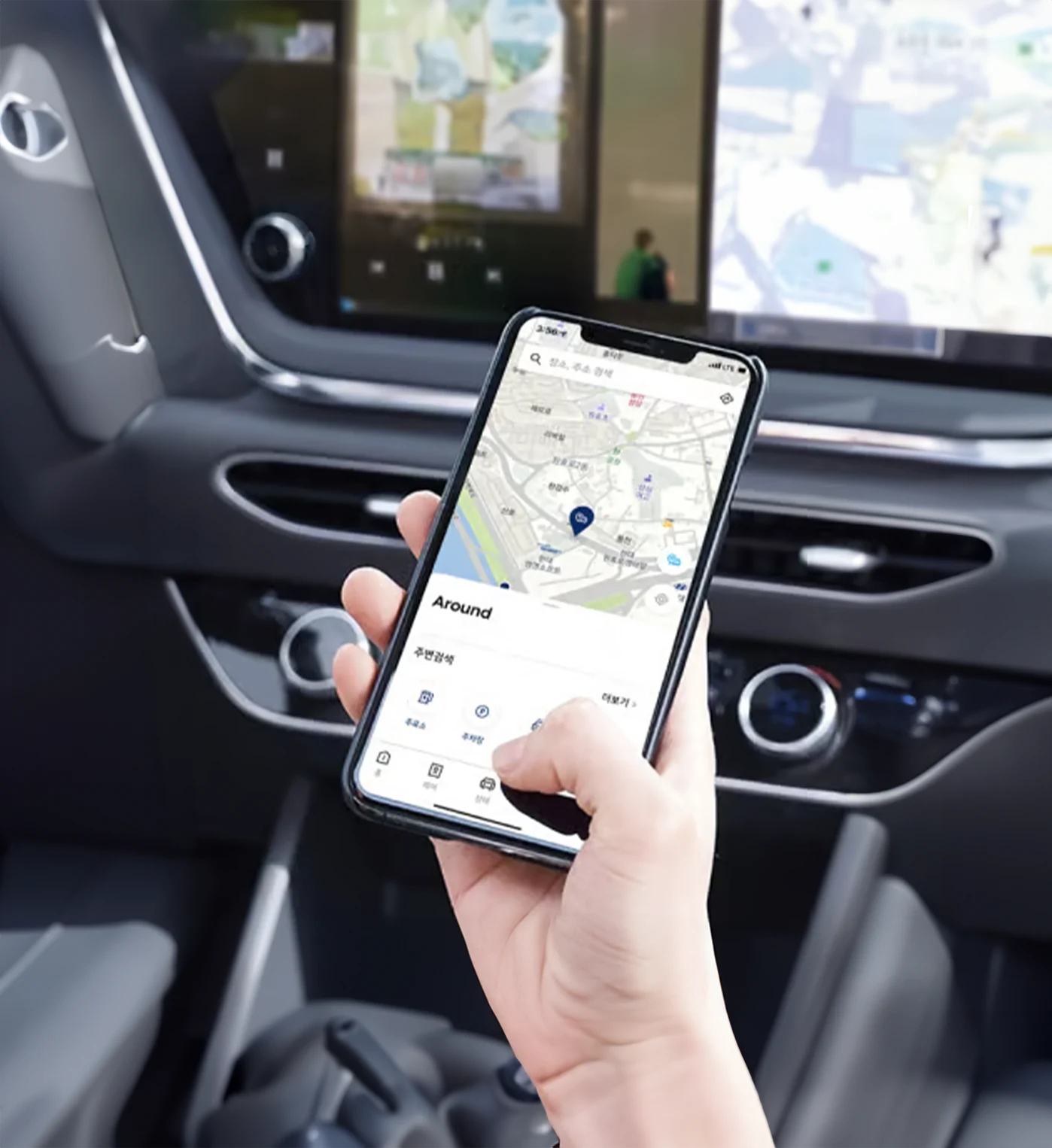
Hyundai's vision for SDV (Software Defined Vehicle) includes a continuous stream of innovative connected services. These services ensure that customers experience vehicles that constantly evolve to offer new and valuable features. Hyundai's SDV integrates various services, seamlessly connecting vehicles, smart devices, and traffic infrastructure. With the convenience of digital keys, passengers can effortlessly access their vehicles using smartphones. Real-time data, gathered and processed through AI algorithms, accurately assesses changing road conditions, enabling precise navigation guidance. Hyundai is dedicated to further enhancing these connected services. Ultimately, the goal is to provide customers with the essence of a "safe and convenient mobility for peace of mind.

Electrification

Electrification

Hyundai strives to open an era of sustainable future mobility with advanced electric vehicle technology.